
Air Suspension Blower Piping Installation Guide
Post time: 2026-06-08 15:18:26
Air suspension blowers are designed to deliver high efficiency and low energy consumption. However, even the best blower cannot perform well if the piping system is installed incorrectly. Poor piping design can lead to pressure loss, reduced airflow, higher energy costs, and unstable operation. A well-designed pipeline system helps the blower achieve its full performance potential.
Why Proper Piping Installation Matters
Many users focus on blower specifications but overlook the importance of the piping system. In reality, the blower and pipeline work together as one system. Proper installation can improve airflow, reduce resistance, and lower operating costs.
Matching Inlet and Outlet Pipe Sizes
The inlet and outlet pipe diameters should match the blower design requirements. Pipes that are too small can increase airflow resistance and create unnecessary pressure loss. Choosing the correct pipe size helps maintain stable airflow and improve system efficiency.
Keeping the Airflow Smooth
Avoid excessive bends, sudden diameter changes, and unnecessary valves in the pipeline. A smooth airflow path reduces turbulence and helps the blower operate more efficiently.
Flexible Joint Installation
Reducing Stress on the Blower
Flexible joints should be installed near the blower inlet and outlet connections. They help absorb thermal expansion, vibration, and pipeline movement, preventing stress from being transferred to the blower casing.
Correct Installation Position
Flexible joints should not be twisted, stretched, or compressed during installation. Proper positioning helps extend service life and maintain reliable operation.
Pipeline Support Design
Providing Stable Support
Large pipelines should be supported independently. The blower should never carry the weight of the connected piping. Proper supports reduce mechanical stress and protect equipment alignment.
Allowing for Maintenance
When designing pipeline supports, leave enough space for inspection, cleaning, and future maintenance. Easy access can save time and reduce downtime.
Check Valve Configuration
Preventing Reverse Airflow
A check valve should be installed on the discharge side of the blower. This helps prevent reverse airflow when the blower stops and protects the equipment from potential damage.
Selecting the Right Valve
Choose a valve that matches the operating pressure and flow requirements of the system. Proper valve selection contributes to long-term reliability.
Controlling Pressure Loss
Inspecting the Entire System
Pressure loss often comes from poorly designed pipelines rather than the blower itself. Regularly inspect pipe routing, fittings, filters, and valves to identify areas that may restrict airflow.
Improving Overall Efficiency
Reducing pressure loss can lower energy consumption and improve blower performance. In many cases, optimizing the piping system delivers noticeable savings without changing the blower.
A properly designed piping system is one of the most important factors in achieving efficient operation. By focusing on pipe sizing, flexible joints, support structures, check valves, and pressure loss control, users can maximize the benefits of their air suspension blower system.
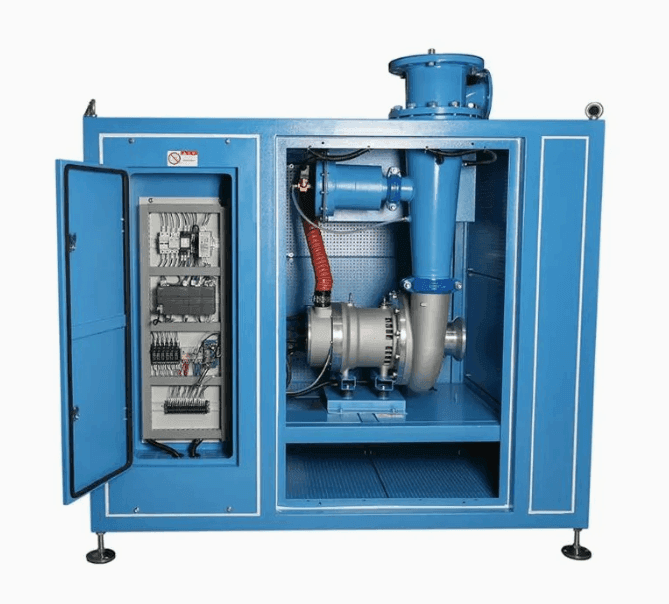
Air Suspension Blowers Product Information
Web: http://www.greentechblower.com (Group Web) ‖ http://www.zqblower.cn (Chinese) ‖ http://www.ringblower.cn/ (Ring blower) ‖ http://www.china-blower.com (Roots Blower)