
Airfoil Turbo Blower vs Maglev Turbo Blower: Which Technology Is Ready for the Future?
Post time: 2026-07-01 13:44:15
When selecting a high-efficiency turbo blower, many users focus on energy savings and maintenance costs. However, factors such as startup behavior, environmental adaptability, intelligence, installation flexibility, and long-term economics can have an even greater impact on equipment performance over its entire lifecycle. So, how do Airfoil Turbo Blowers and Maglev Turbo Blowers compare in these areas?
Startup Performance and Operating Flexibility
Maglev Turbo Blowers Offer Simpler Operation
One of the biggest advantages of a Maglev Turbo Blower is its fully automated startup process. The active magnetic bearing system suspends the rotor before acceleration begins, allowing operators to start the machine with a single command. No additional coordination with valves or backpressure systems is required.
This simple operating mode reduces startup errors and minimizes operator training requirements.
Airfoil Turbo Blowers Require More Operating Conditions
Airfoil Turbo Blowers rely on aerodynamic bearings, which require stable airflow conditions to establish the supporting air film. During startup, operators often need to ensure sufficient backpressure and proper system conditions before the blower reaches its normal operating speed.
In applications with frequent start-stop cycles, this difference becomes increasingly important.
Environmental Adaptability and Stability
Maglev Technology Handles Complex Environments Better
Industrial environments are not always clean. Dust, humidity fluctuations, and temperature changes can all affect blower performance.
Maglev Turbo Blowers use advanced displacement sensors and intelligent control algorithms to maintain stable operation under varying conditions. Their contact-free bearing design also makes them less sensitive to air quality.
Airfoil Systems Require Cleaner Conditions
Airfoil bearings depend heavily on air film stability. Dust particles, moisture, and contaminants may affect bearing performance and increase operational risks. As a result, Airfoil Turbo Blowers are often better suited for cleaner industrial environments.
For facilities operating in wastewater treatment, chemical processing, or heavy industry, environmental adaptability can significantly impact reliability.
Installation and Space Requirements
Maglev Blowers Provide Greater Installation Flexibility
Modern Maglev Turbo Blowers are designed with compact structures and integrated control systems. Compared with traditional blower technologies, installation footprints can often be reduced significantly.
Their modular design also allows easier upgrades and flexible plant layouts.
Airfoil Blowers Offer Structural Simplicity
Airfoil Turbo Blowers typically have relatively simple mechanical structures and may occupy slightly less physical space in some applications. However, additional requirements for air quality management and operational support systems should also be considered during installation planning.
Smart Control and Predictive Maintenance
Maglev Technology Leads in Digital Intelligence
Maglev Turbo Blowers increasingly support smart factory requirements through advanced digital platforms. Features commonly include:
Remote monitoring
Predictive maintenance
AI optimization algorithms
Real-time fault diagnosis
Cloud-based operational analysis
These capabilities help reduce unexpected downtime and improve energy management.
Airfoil Systems Provide Basic Intelligent Functions
Airfoil Turbo Blowers also support digital control systems, but their predictive analysis and remote optimization capabilities are often more limited compared to magnetic bearing systems.
As Industry 4.0 adoption accelerates, intelligent operation may become a key competitive advantage.
Long-Term Economic Performance
Initial investment is often the first concern when purchasing a blower. However, total ownership cost usually determines the real value of the equipment.
Maglev Turbo Blowers generally require higher initial investment but can recover the additional cost through lower energy consumption, reduced maintenance, and longer service life.
Airfoil Turbo Blowers often have lower purchase costs, but maintenance expenses, operational risks, and efficiency losses may gradually increase over time.
Which Technology Is Better for Your Project?
If your project emphasizes operational simplicity, environmental adaptability, digital intelligence, and long-term cost savings, a Maglev Turbo Blower may provide the best overall value.
If your application operates under clean conditions with limited budgets and moderate operating demands, an Airfoil Turbo Blower can still be an effective solution.
Which factor matters most in your blower selection process: initial investment, energy savings, reliability, or smart operation? Share your thoughts and experiences with us.
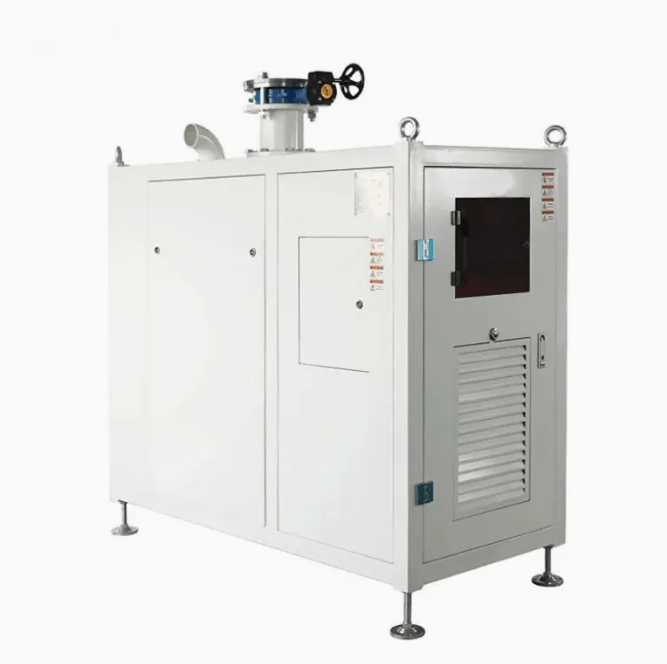
Air Suspension Blowers Product Information
Web: http://www.greentechblower.com (Group Web) ‖ http://www.zqblower.cn (Chinese) ‖ http://www.ringblower.cn/ (Ring blower) ‖ http://www.china-blower.com (Roots Blower)