
Air Suspension Blower Surge: Causes, Prevention and Maintenance
Post time: 2026-08-20 13:34:47
What Is Surge in an Air Suspension Blower?
An Air Suspension Blower is designed to deliver stable airflow at high speed, making it useful for applications such as wastewater treatment and industrial aeration. But like other centrifugal blowers, it can experience surge when operating conditions are not suitable.
Surge occurs when the blower cannot maintain stable airflow against the pressure in the system. Airflow may become unstable, while pressure and flow can rise and fall quickly. In some cases, the airflow may even reverse for a short period.
One short surge event may not cause obvious damage. However, repeated surge can place extra stress on the impeller, motor, air bearing system, and other components. That is why surge prevention should be part of normal Air Suspension Blower operation and maintenance.
What Causes Air Suspension Blower Surge?
Finding the real cause is the first step toward preventing surge. In most cases, the problem is related to low airflow, high system resistance, or incorrect control.
High System Back Pressure
High back pressure is a common cause of turbo blower surge. A blocked pipe, dirty diffuser, closed valve, or increased resistance in the downstream system can make it difficult for the blower to move enough air.
As system pressure increases, the blower may move closer to its unstable operating area. So if discharge pressure suddenly rises, check the complete air system instead of looking only at the blower.
Low Airflow
An Air Suspension Blower may also approach surge when airflow falls below its stable operating range. This can happen when air demand suddenly decreases, a valve closes too much, or the system is running at a lower load than expected.
For example, a wastewater treatment plant may have changing aeration demand during different operating periods. If the blower is not adjusted to match the actual demand, low-flow operation can become a problem.
Incorrect Control Settings
Variable speed control, pressure settings, automatic valves, and other control functions affect blower stability. If the control system reacts too slowly or the settings do not match the actual process conditions, the blower may move toward the surge area.
Signs of Air Suspension Blower Surge
Surge does not always start with a major alarm. Paying attention to small changes can help operators respond earlier.
Unstable Airflow and Pressure
Rapid changes in airflow or discharge pressure are common warning signs. If the readings repeatedly rise and fall, check whether the blower is operating too close to its minimum stable flow.
Unusual Noise or Vibration
During surge, the airflow inside the blower becomes unstable. You may hear pulsing, knocking, or other unusual sounds. Vibration may also increase.
If abnormal vibration continues after the surge event, inspect the blower before returning to normal operation.
Repeated Alarms
Modern Air Suspension Blowers can monitor pressure, temperature, speed, airflow, and other operating data. If surge-related alarms appear repeatedly, do not simply reset them and continue running.
Look at the alarm history and operating conditions to find out what caused the event.
How to Prevent Air Suspension Blower Surge
The basic rule is simple: keep the blower inside its recommended operating range.
Monitor Airflow and Pressure
Regularly check airflow, discharge pressure, inlet pressure, speed, and motor current. Keeping a simple record can help identify changes before surge becomes a frequent problem.
If airflow keeps dropping while pressure continues to increase, investigate the system as soon as possible.
Reduce System Resistance
Check air filters, pipes, valves, diffusers, and other downstream equipment. A dirty filter or blocked pipe can increase resistance and make surge more likely.
Keeping the complete air system clean is therefore part of good blower maintenance.
Use Proper Surge Protection
A suitable surge protection system can help keep the Air Suspension Blower away from unstable operating conditions. Depending on the system design, this may include automatic speed adjustment, bypass control, inlet adjustment, or other control methods.
The correct protection settings should be based on the blower manufacturer's recommendations and the actual working conditions.
Air Suspension Blower Maintenance After Surge
If a surge event occurs, do not immediately assume that the blower has been damaged. Start by checking the alarm history and operating data.
Compare current vibration, temperature, airflow, pressure, speed, and motor current with normal values. Then inspect the filter, piping, valves, and downstream equipment for possible restrictions.
Pay special attention to the air bearing system, impeller condition, and overall operating stability. If abnormal vibration, repeated alarms, or unstable airflow continues, professional inspection may be necessary.
Keep Your Air Suspension Blower Stable
Air Suspension Blower surge is easier to prevent than to repair after repeated events. The key is to understand how airflow, pressure, speed, and system resistance affect each other.
Keep the blower within its recommended range, monitor operating trends, maintain the air system, and respond quickly to abnormal conditions. With proper surge protection and regular maintenance, an Air Suspension Blower can provide more stable airflow and help reduce unnecessary downtime.
Have you noticed pressure fluctuations, unstable airflow, or unusual noise from your Air Suspension Blower? Checking these signs early may help prevent a small operating issue from becoming a bigger maintenance problem.
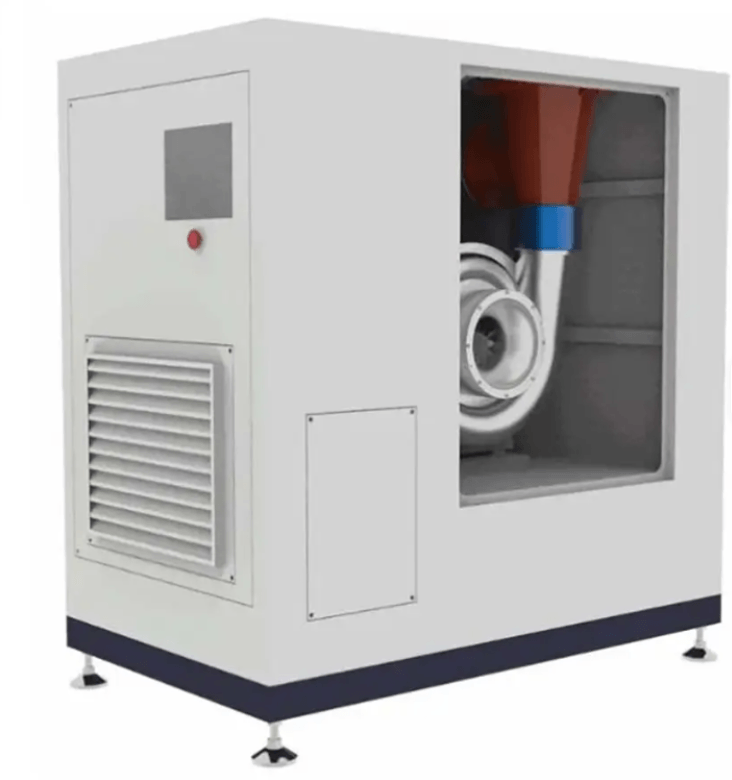
Air Suspension Blowers Product Information
Web: http://www.greentechblower.com (Group Web) ‖ http://www.zqblower.cn (Chinese) ‖ http://www.ringblower.cn/ (Ring blower) ‖ http://www.china-blower.com (Roots Blower) ‖ https://www.zibovacuumpump.com (Vacuum Pump)