
Air Suspension Blower Piping Installation: Avoid Common Mistakes
Post time: 2026-08-21 15:06:18
Introduction
Installing an Air Suspension Blower is not just about connecting a few pipes. The piping system has a direct effect on airflow, pressure, energy use, and the long-term performance of the blower. A small mistake in pipe size, alignment, or valve position can create extra resistance and make the blower work harder than necessary.
So, before starting an Air Suspension Blower, it is worth taking a closer look at the piping. A simple and well-planned system can make operation smoother, quieter, and more efficient.
1. Plan the Inlet Piping First
Keep the Air Intake Clean and Simple
The inlet pipe should have a clear and smooth airflow path. Try to avoid too many bends, sudden changes in pipe size, or unnecessary restrictions near the blower inlet.
A clean inlet also helps protect the filter and air bearing system from dust and other contaminants. If the inlet filter becomes blocked, the blower may need to work harder to provide the required airflow.
Choose the Right Pipe Size
Pipe size should match the required airflow and the blower specifications. A pipe that is too small can increase air velocity and pressure loss. This may reduce system efficiency and increase energy consumption.
Before installation, check the blower flow rate, pressure requirements, and the planned pipe diameter. It is usually better to solve these issues during design rather than after the system is running.
2. Install the Discharge Piping Carefully
Use Flexible Connections
A flexible connection between the blower and the discharge pipe can help reduce stress caused by small movements, vibration, or pipe expansion. It also makes installation and future maintenance easier.
Do not force the pipe into position just to make the connection fit. The piping should be properly aligned and independently supported so that its weight is not placed directly on the blower.
Install the Check Valve Correctly
A check valve is commonly used to help prevent air from flowing backward when the blower stops. Make sure the valve is installed in the correct airflow direction.
An incorrectly installed check valve can restrict airflow or prevent the system from working as expected. Before startup, check the valve position and make sure it can open and close normally.
Place the Silencer in the Right Position
A discharge silencer can help reduce operating noise and improve the working environment. Its position should follow the system design and manufacturer recommendations.
The connection should remain smooth, and the silencer should not create unnecessary pressure loss in the discharge line.
3. Reduce Unnecessary Pressure Loss
Avoid Too Many Bends
Every elbow, valve, filter, and fitting adds resistance to the airflow. A piping system with too many bends can increase pressure loss and reduce the available airflow at the application point.
When possible, use a simple pipe layout with smooth turns. This is especially important in wastewater treatment and other applications where the blower may operate continuously for long periods.
Check the Pipe Diameter
How to reduce pressure loss in blower piping? One of the first things to check is pipe diameter. A properly sized pipe allows air to move with less resistance.
Do not choose a pipe only because it is cheaper or easier to install. The total system cost also includes electricity consumption and long-term operating costs.
4. Support the Piping Properly
Do Not Put Pipe Weight on the Blower
The piping system should have its own supports. Heavy pipes should not hang from the blower connection.
Incorrect support can place extra force on the inlet or discharge connection and may lead to leaks, vibration, or connection damage over time.
Check Alignment Before Startup
After all pipes are installed, check the alignment again. The pipes should connect naturally without pushing, pulling, or twisting the blower connection.
This simple check can prevent many problems later.
5. Inspect the Complete Piping System
Before starting the Air Suspension Blower, inspect the entire piping system from inlet to discharge. Check the pipe diameter, flexible connections, valves, silencers, supports, and airflow direction.
Make sure there are no blocked sections, loose connections, or unnecessary restrictions. If possible, also check the expected system pressure and compare it with the blower operating range.
Conclusion
Good Air Suspension Blower piping installation is about more than connecting pipes. The goal is to create a smooth airflow path with low resistance while protecting the blower from unnecessary external stress.
Take time to choose the right pipe size, use proper supports, install valves correctly, and keep the layout simple. These small details can make a big difference to blower efficiency and service life.
Before starting your blower, ask yourself one simple question: Are the pipes helping the blower work efficiently, or are they making the blower work harder than it needs to?
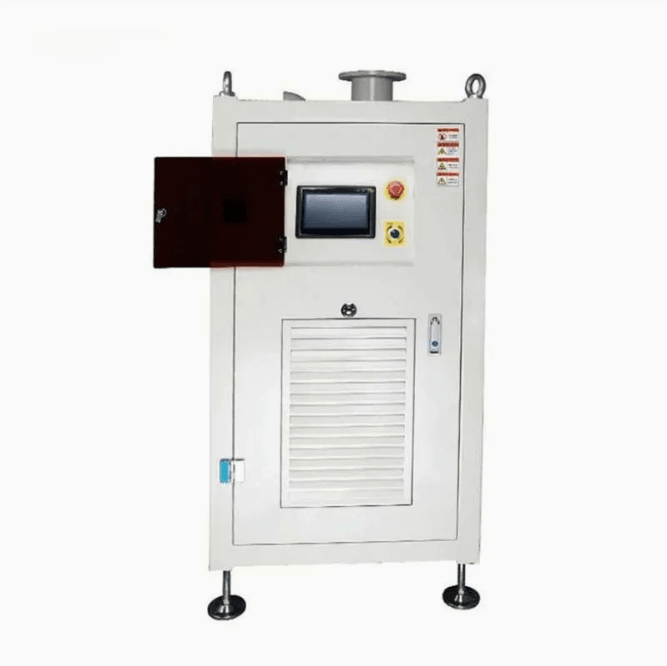
Air Suspension Blowers Product Information
Web: http://www.greentechblower.com (Group Web) ‖ http://www.zqblower.cn (Chinese) ‖ http://www.ringblower.cn/ (Ring blower) ‖ http://www.china-blower.com (Roots Blower) ‖ https://www.zibovacuumpump.com (Vacuum Pump)