
Magnetic Bearing Blower Is It Really Energy Saving Full Guide To Principle Comparison And ROI
Post time: 2026-04-22 14:35:19
Why More Companies Are Switching To Magnetic Bearing Blowers
In recent years many wastewater plants and factories have started replacing their old blowers
The reason is simple electricity costs are too high
Traditional roots blowers consume a lot of power and require frequent maintenance and their efficiency drops over time
Magnetic bearing blowers solve these problems by offering higher efficiency and lower operating cost
In simple terms they use less energy deliver stable airflow and require almost no maintenance
How A Magnetic Bearing Blower Works
At first this technology may sound complex but the core idea is actually easy to understand
Magnetic Bearings
The rotor is suspended in the air without physical contact which means no friction and minimal energy loss
High Speed Direct Drive Motor
The motor runs at very high speed and directly drives the impeller without gears which improves efficiency
Oil Free System
No lubrication oil is needed during operation which ensures clean air output and reduces maintenance
In short no contact means no wear and no wear means higher efficiency and better reliability
Comparison With Traditional Roots Blowers
This is the most important part for most buyers so let us look at the key differences
Energy Consumption
Magnetic bearing blower can save about twenty to forty percent energy
Roots blower consumes more energy and efficiency can vary
Over long term operation the electricity cost difference is significant
Maintenance Cost
Magnetic bearing blower requires very little maintenance
Roots blower needs regular oil changes and servicing
This also means additional labor and downtime cost
Noise And Environment
Magnetic bearing blower runs quietly and produces no oil pollution
Roots blower is usually noisy and may cause oil related issues
Service Life
Magnetic bearing blower has longer service life and better stability
Roots blower suffers from mechanical wear over time
In conclusion magnetic bearing blowers offer better long term value even if the initial cost is higher
Best Applications For Magnetic Bearing Blowers
Wastewater Treatment
This is the most common application because aeration systems run continuously and energy saving is critical
Cement Industry
Harsh and dusty environments require durable and low maintenance equipment
Power And Chemical Industry
Stable airflow and reliable performance are essential
Food And Pharmaceutical Industry
Clean oil free air is required for safety and quality
How Long Does It Take To Get Return On Investment
This is a key concern for decision makers so let us look at a simple example
A medium sized plant uses a one hundred kilowatt blower running twenty hours per day and three hundred days per year
Total annual energy consumption is about six hundred thousand kilowatt hours
If energy saving is thirty percent then annual saving is about one hundred eighty thousand kilowatt hours
Based on industrial electricity price the payback period is usually between one and three years
And the equipment can run for more than ten years
Key Points For Selecting The Right Blower
Match The Working Conditions
Airflow and pressure must meet actual system requirements
Do Not Focus Only On Price
Consider total lifecycle cost instead of initial investment
Choose Reliable Brands
Control system and magnetic bearing technology are critical
Final Thoughts Is It Worth Switching
If your system has high energy cost high noise frequent maintenance or aging equipment then switching to magnetic bearing blower is a smart decision
The earlier you upgrade the more you save in the long run
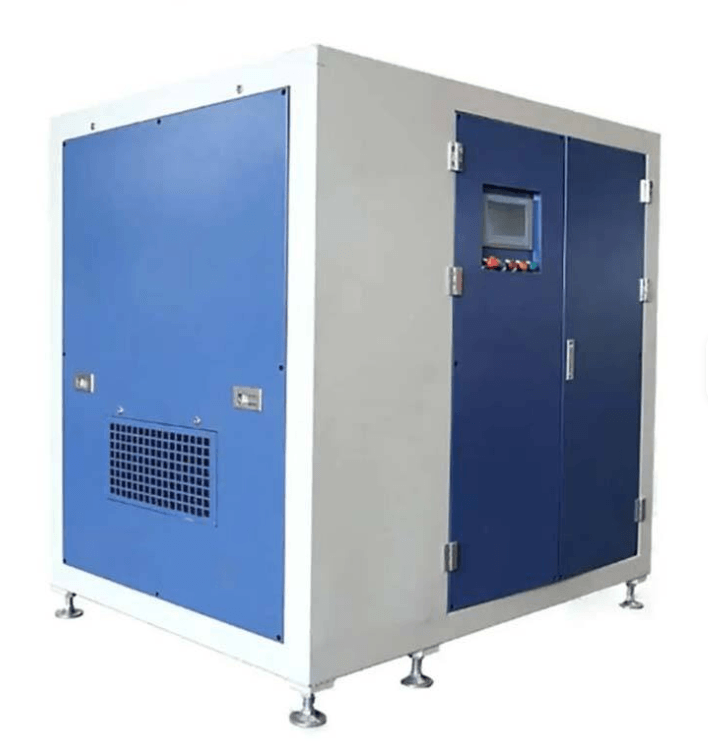
Maglev Turbo Blowers Product Information
Web: http://www.greentechblower.com (Group Web) ‖ http://www.zqblower.cn (Chinese) ‖ http://www.ringblower.cn/ (Ring blower) ‖ http://www.china-blower.com (Roots Blower)