
How to Fix Low Airflow in a Maglev Turbo Blower
Post time: 2026-06-10 15:24:23
Why Does Airflow Drop?
A Maglev Turbo Blower is designed to provide stable and efficient airflow for wastewater treatment and industrial aeration systems. However, many operators eventually face a low airflow turbo blower problem. When airflow drops, oxygen transfer efficiency decreases, energy consumption may rise, and the entire process can become less effective.
Understanding the cause early can help avoid costly downtime and keep the blower running at its best.
Common Causes of Blower Flow Rate Reduction
Clogged Air Filters
One of the most common reasons for blower flow rate reduction is a dirty or blocked inlet filter. Dust, debris, and airborne particles can gradually restrict airflow entering the blower.
If the filter is not cleaned or replaced regularly, the blower must work harder while delivering less air.
Intake System Restrictions
A blower intake blockage can occur when valves are partially closed, ducts are damaged, or foreign objects enter the intake path. Even a small restriction can affect overall airflow performance.
Regular inspection of the intake system helps ensure smooth air movement and stable blower operation.
Pipeline Leakage
Air leaks in pipes, fittings, or connections can cause a significant loss of airflow before the air reaches the application point. In wastewater aeration systems, leaks often lead to a wastewater aeration airflow issue and reduced treatment efficiency.
Operators should routinely check joints and pipelines for signs of leakage.
How to Troubleshoot Airflow Problems
Check Operating Parameters
Review airflow, pressure, temperature, and power consumption data from the control system. Sudden changes may indicate a maglev blower performance issue that requires attention.
Inspect Filters and Ducts
Look for clogged filters, blocked ducts, or damaged intake components. Cleaning these parts often restores airflow quickly.
Test for Air Leaks
Use leak detection tools or simple pressure tests to identify hidden leakage points within the piping system.
Airflow Recovery Solutions
Perform Preventive Maintenance
Routine maintenance is the best way to prevent low airflow conditions. Clean filters, inspect pipelines, and monitor operating data regularly.
Optimize System Design
Proper pipe sizing, smooth airflow paths, and correct valve settings can improve overall blower efficiency and reduce airflow losses.
Use Smart Monitoring
Modern Maglev Turbo Blowers include intelligent monitoring systems that can provide early warnings when airflow starts to decrease.
Conclusion
If you are wondering why blower airflow decreases, start by checking filters, intake systems, and pipelines. Most airflow problems can be solved quickly when detected early. A well-maintained Maglev Turbo Blower will deliver reliable performance, lower operating costs, and better aeration efficiency for years to come.
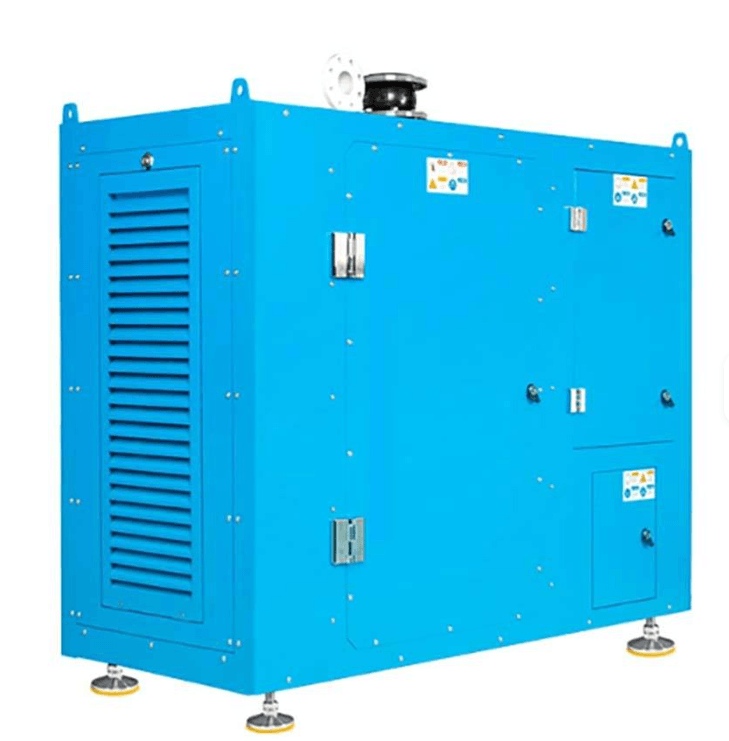
Maglev Turbo Blowers Product Information
Web: http://www.greentechblower.com (Group Web) ‖ http://www.zqblower.cn (Chinese) ‖ http://www.ringblower.cn/ (Ring blower) ‖ http://www.china-blower.com (Roots Blower)