
Maglev Turbo Blower Foundation and Layout Guide
Post time: 2026-06-23 13:36:30
Maglev Turbo Blowers are known for high efficiency, low noise, and reliable performance. However, even the best blower can face problems if the installation foundation and layout are not planned correctly. A good foundation design and proper equipment layout can help improve long-term stability, reduce maintenance costs, and extend equipment life.
Do Maglev Turbo Blowers Need a Concrete Foundation?
Foundation Requirements for Maglev Turbo Blower
Unlike traditional blowers, Maglev Turbo Blowers generate very little vibration during operation. In many projects, a heavy concrete foundation is not always necessary. However, the installation surface must be strong, flat, and stable enough to support the equipment weight.
For wastewater treatment plants and industrial facilities, a reinforced concrete floor is still recommended. It helps maintain equipment stability and prevents movement caused by external factors.
Equipment Leveling Matters
Why Proper Leveling Is Important
Before startup, check that the blower is installed on a level surface. Poor leveling may affect internal components, airflow performance, and long-term reliability.
Use a precision level tool during installation. Small adjustments at this stage can prevent future operational issues and reduce maintenance work.
Installation Clearance and Equipment Layout
Installation Clearance for Magnetic Bearing Blower
Many users focus only on blower performance and forget about maintenance access. Adequate space around the equipment is essential for daily inspections and future servicing.
Recommended layout practices include:
Leave enough space around the blower for maintenance.
Keep electrical cabinets easily accessible.
Allow room for air intake and cooling airflow.
Avoid placing obstacles near inspection panels.
A well-planned maglev blower installation layout improves both safety and operating efficiency.
Piping Layout Principles
Avoid Excessive Pipe Stress
Improper piping design is one of the most common causes of installation-related problems. Pipes should be independently supported and should not transfer excessive force to the blower connections.
Good piping practices include:
Use flexible connectors where needed.
Minimize sharp bends.
Keep pipe routes simple and direct.
Check alignment before final connection.
Proper piping helps maintain stable airflow and protects the blower from unnecessary stress.
Maintenance Access Planning
Blower Room Design for Wastewater Treatment Plant
A smart blower room layout makes maintenance easier and reduces downtime. Operators should be able to access filters, control systems, and inspection points without difficulty.
When planning a blower room, consider future equipment expansion, ventilation requirements, lighting conditions, and safe working areas. Good planning today can save significant time and cost later.
Conclusion
A successful Maglev Turbo Blower installation starts with a solid foundation and a practical layout design. Paying attention to leveling, installation clearance, piping arrangement, and maintenance access can improve system reliability and help achieve long-term energy savings. Whether you are installing a new system or upgrading an existing blower room, proper planning is always a worthwhile investment.
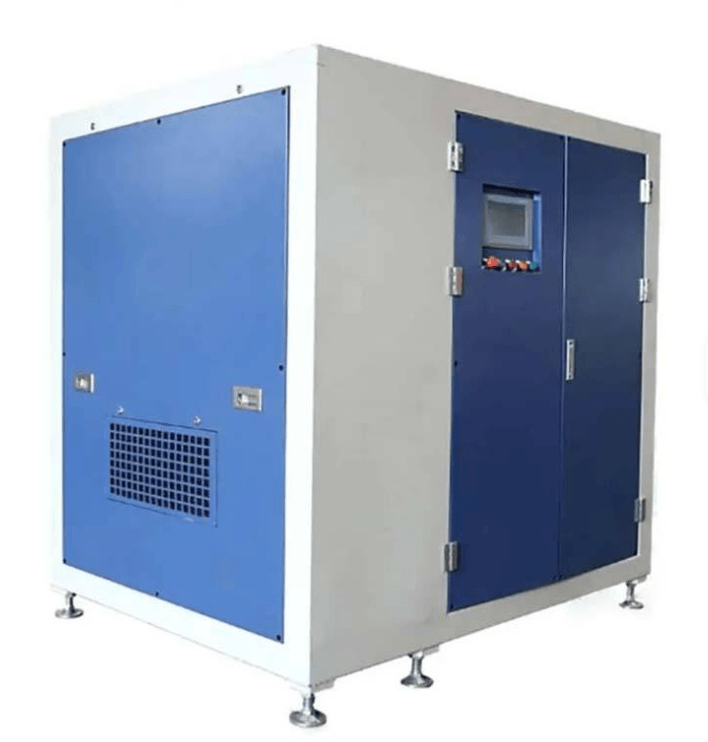
Maglev Turbo Blowers Product Information
Web: http://www.greentechblower.com (Group Web) ‖ http://www.zqblower.cn (Chinese) ‖ http://www.ringblower.cn/ (Ring blower) ‖ http://www.china-blower.com (Roots Blower)