
Emergency Shutdown vs Normal Shutdown: What Every Maglev Turbo Blower User Should Know
Post time: 2026-07-20 10:58:42
Why the Right Shutdown Matters
Many operators focus on starting a Maglev Turbo Blower correctly, but they often pay less attention to how it is stopped. In fact, the shutdown process is just as important as startup. A Maglev Turbo Blower operates with a high speed rotor supported by magnetic bearings. If the blower is stopped the wrong way, it may trigger alarms, increase stress on the rotor, or even shorten the service life of key components. Following the correct shutdown procedure helps protect the equipment, improve reliability, and reduce maintenance costs. Whether your blower is used in wastewater treatment, pneumatic conveying, or industrial aeration, understanding the difference between a normal shutdown and a blower emergency shutdown procedure is essential for safe operation.
What Is a Normal Shutdown?
Follow the Proper Shutdown Sequence
A normal shutdown is the standard way to stop the blower when production ends, maintenance is scheduled, or the operating conditions change. The goal is to let the machine slow down smoothly without putting extra stress on the magnetic bearing or the rotor.
Start by gradually reducing airflow and system pressure instead of making sudden changes. Next, use the PLC or control panel to begin the proper shutdown sequence. The controller will slowly reduce the motor speed while monitoring temperature, vibration, and operating status. During this time, avoid cutting off the main power supply. Allow the high speed rotor to coast down naturally until it comes to a complete stop. After the rotor has fully stopped, the cooling system can be turned off, followed by the main power if required.
Why Normal Shutdown Is Better
A proper shutdown sequence keeps the magnetic bearing stable during the entire stopping process. It reduces vibration, protects the impeller, and prevents unnecessary wear on backup bearings. It also minimizes the chance of unexpected alarms during the next startup. Plants that consistently follow the correct shutdown procedure usually experience fewer maintenance issues and longer equipment life.
When Is an Emergency Shutdown Needed?
Protect the Blower During Unexpected Events
Unlike a normal shutdown, an emergency shutdown is only used when the blower detects a serious problem that could damage the equipment or affect system safety. Common causes include excessive vibration, high discharge temperature, motor overload, cooling system failure, power failure, or a controller fault.
When these conditions occur, the control system automatically starts the blower emergency shutdown procedure. The main purpose is to protect the rotor and magnetic bearing as quickly as possible. If the blower is equipped with a UPS backup for magnetic bearing support, the backup power keeps the magnetic bearing active while the rotor slows down safely. This helps prevent the rotor from contacting the backup bearings and reduces the risk of mechanical damage during a sudden power loss.
Never Restart Immediately
Many operators make the mistake of restarting the blower as soon as the alarm disappears. This can lead to repeated shutdowns or even more serious failures. Before restarting, carefully review the alarm history, check the cooling system, inspect vibration data, confirm that the power supply is stable, and make sure all operating conditions have returned to normal. Solving the root cause is always more important than restarting quickly.
Common Shutdown Mistakes to Avoid
Small Errors Can Lead to Big Problems
Several common mistakes can reduce blower reliability. Never disconnect the power before the rotor has completely stopped. Do not shut down the cooling system too early, as some components may still need cooling during the coast-down process. Avoid ignoring warning alarms, even if the blower continues to operate normally. Frequent starting and stopping should also be avoided because it places additional stress on the motor, controller, and magnetic bearing. Following the recommended shutdown procedure every time is one of the simplest ways to reduce maintenance costs and improve long-term performance.
Final Thoughts
Both shutdown methods have the same goal—protecting your Maglev Turbo Blower—but they are used in different situations. A normal shutdown is part of daily operation and helps extend equipment life through a controlled stopping process. An emergency shutdown is a safety feature designed to protect the blower when unexpected problems occur. By understanding when to use each method and following the correct shutdown procedure, you can improve system reliability, reduce downtime, and keep your blower operating at its best. Has your plant ever experienced an emergency shutdown? Share your experience in the comments and let us know what lessons you learned.
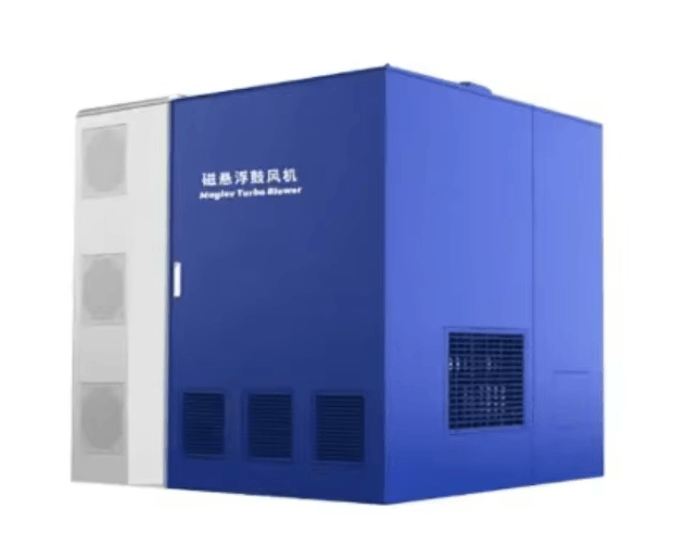
Maglev Turbo Blowers Product Information
Web: http://www.greentechblower.com (Group Web) ‖ http://www.zqblower.cn (Chinese) ‖ http://www.ringblower.cn/ (Ring blower) ‖ http://www.china-blower.com (Roots Blower)