
Cut Wastewater Aeration Energy Costs by Up to 40%
Post time: 2026-07-06 14:01:19
Aeration systems are often the biggest energy users in wastewater treatment plants, sometimes accounting for 40% to 70% of total electricity consumption. As energy prices continue to rise, plant operators are looking for practical ways to reduce operating costs without affecting treatment performance. The good news is that significant energy savings are possible when multiple optimization strategies work together.
Where Does Aeration Energy Go?
Before improving efficiency, it's important to understand where energy is being used. In most wastewater treatment plants, energy consumption mainly comes from blowers, air distribution pipelines, diffuser systems, and process control equipment. Even a highly efficient blower can waste energy if the overall aeration system is not optimized.
Blower Efficiency Matters
Traditional Roots blowers are reliable, but they often consume more power than modern high-speed turbo blowers. Upgrading to high efficiency blower technology, such as magnetic bearing turbo blowers, can reduce power consumption by 20% to 35%. These systems provide better airflow control while operating with lower noise and maintenance costs.
Optimize the Diffuser System
Diffusers play a critical role in aeration optimization. Old or clogged diffusers increase air resistance and reduce oxygen transfer efficiency. Replacing aging diffusers with fine bubble diffuser systems can significantly improve dissolved oxygen transfer while lowering energy demand.
Reduce Pipeline Resistance
Many wastewater plants overlook the impact of pipe design. Long pipelines, sharp bends, and partially blocked pipes create unnecessary pressure losses. Regular inspection, cleaning, and redesign of airflow pipelines can improve blower efficiency and reduce operating costs.
Use Smart Aeration Control
One of the fastest-growing trends in wastewater energy management is intelligent control. Modern dissolved oxygen monitoring systems automatically adjust airflow based on real-time treatment demand. This prevents over-aeration and helps plants maintain stable treatment performance while saving energy.
A Real Energy Saving Example
A municipal wastewater treatment plant upgraded its conventional blower system to a low power aeration system with magnetic bearing turbo blowers, optimized diffusers, and intelligent DO control. After the upgrade, the plant reduced aeration energy consumption by nearly 40% while improving operational stability.
Improving wastewater aeration energy saving performance is not about one single upgrade. The biggest savings come from combining efficient blowers, optimized diffusers, reduced pipeline resistance, and smart control strategies. For many treatment plants, this approach delivers both lower costs and a faster return on investment.
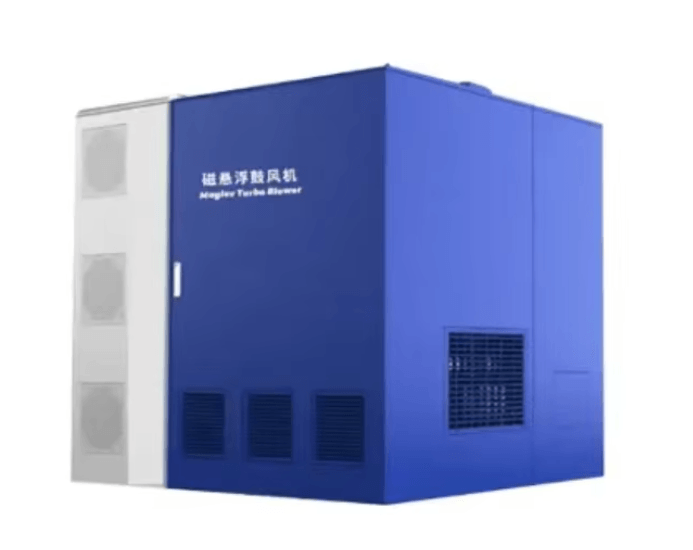
Maglev Turbo Blowers Product Information
Web: http://www.greentechblower.com (Group Web) ‖ http://www.zqblower.cn (Chinese) ‖ http://www.ringblower.cn/ (Ring blower) ‖ http://www.china-blower.com (Roots Blower)