
Beyond Energy Savings: The Digital and Operational Transformation of Wastewater Aeration with Maglev
Post time: 2026-08-27 13:57:35
For decades, plant superintendents and municipal utility directors have viewed aeration basins as a necessary burden—a massive, continuous electrical load accounting for up to sixty percent of a wastewater treatment facility's total energy consumption. While traditional multi-stage centrifugal and positive displacement blowers reliably supply oxygen, their rigid operating parameters and inevitable mechanical degradation lock facilities into high operational expenses and rigid maintenance cycles.
As global regulatory frameworks tighten carbon emission caps and industrial plants face aggressive internal net-zero targets, upgrading aeration infrastructure requires more than incremental efficiency gains. It demands a paradigm shift toward intelligent, digitally integrated fluid machinery. By pairing high-speed magnetic levitation turbo blowers with advanced industrial internet of things (IoT) analytics, modern facilities are redefining what it means to run an optimized, low-carbon utility plant.
Why Traditional Aeration Control Strategies Fall Short in Modern Municipal Plants
Biological wastewater treatment is a dynamic, highly fluctuating biological process. Organic loading rates shift dramatically between daytime peaks, nighttime lulls, and wet-weather storm surges. Yet, legacy blower systems are frequently operated with blunt control mechanisms.
The Trap of Manual Throttle Control: Older installations rely on discharge throttling valves or inlet guide vanes to modulate air delivery against constant speed motors. This methodology wastes substantial electrical energy by forcing the motor to fight against artificial flow restrictions.
Lagging Dissolved Oxygen (DO) Response: When biological oxygen demand (BOD) spikes in the aeration basin, sluggish response times from legacy equipment cause dissolved oxygen levels to plummet, risking compliance violations. Conversely, over-aerating to compensate for control lag burns excess electricity and strips the microbial ecosystem.
Data Isolation in Plant Operations: In many traditional plants, blower performance data remains trapped within isolated local panels, preventing plant-wide energy optimization algorithms from harmonizing blower output with upstream primary treatment or downstream clarification stages.
How IoT-Driven Intelligence and Maglev Technology Redefine Blower Operation
The integration of active magnetic bearings and high-speed permanent magnet motors creates an ultra-responsive platform. When combined with modern edge computing and cloud analytics, this hardware platform transforms from a simple air compressor into a smart, self-optimizing node within the plant network.
Real-Time Automated Demand Following: Smart maglev turbo blowers interface directly with inline dissolved oxygen sensors and ammonia-nitrogen analyzers. The control system continuously modulates inverter frequency to match air output precisely to biological demand, eliminating energy waste.
Predictive Health Monitoring via Cloud Telemetry: Internal sensors track vibration signatures, stator temperatures, and bearing levitation currents continuously. Rather than relying on calendar-based maintenance, machine-learning algorithms analyze minor trend deviations, scheduling proactive component checks before operational interruptions occur.
Multi-Blower Load Balancing: In plants utilizing multiple turbo blowers in parallel, centralized automation software optimizes staging sequences. Instead of running multiple units at partial, inefficient loads, the system dynamically shifts operation to maintain each active unit within its peak efficiency island.
What Does the Operational ROI Look Like for Plant Engineering Directors?
Capital expenditure approval in municipal and heavy industrial sectors requires rigorous financial justification. Evaluating the true return on investment for a maglev turbo blower upgrade extends far beyond initial power bill reductions.
Drastic Reduction in Auxiliary Service Costs: Because active magnetic levitation eliminates lubricating oil, gearboxes, and sliding mechanical seals, facilities completely eliminate routine oil changes, filter disposals, and costly overhaul services.
Downtime Mitigation Value: In critical municipal environments where regulatory fines for effluent non-compliance can be severe, the elimination of catastrophic mechanical seizure risks provides invaluable operational peace of mind.
Carbon Credit and ESG Valuation: For corporate industrial clients, verified kilowatt-hour reductions translate directly into quantifiable Scope 2 emissions decreases, bolstering corporate sustainability reporting and aligning plant assets with global green financing frameworks.
Frequently Asked Questions on Smart Maglev Blower Integration
1. Can existing plant SCADA systems integrate seamlessly with modern maglev blowers?
Yes. Contemporary maglev turbo blowers feature open industrial communication protocols, such as Modbus TCP, Profinet, and Ethernet/IP, allowing plant engineers to integrate blower telemetry directly into existing supervisory control and data acquisition networks without proprietary hardware bottlenecks.
2. How do seasonal temperature fluctuations affect intelligent blower turndown?
Air density changes significantly between freezing winter conditions and hot summer peaks. Smart control algorithms automatically compensate for ambient temperature and barometric pressure shifts, adjusting mass flow calculations in real time to ensure the biological basin receives the exact oxygen mass required regardless of weather.
3. What level of specialized training is required for plant maintenance staff?
Because maglev blowers operate with zero contact and no internal lubrication, routine mechanical maintenance is virtually non-existent. Plant staff primarily focus on inlet air filter inspections and digital interface monitoring, supported by remote diagnostic capabilities provided by the manufacturer's engineering team.
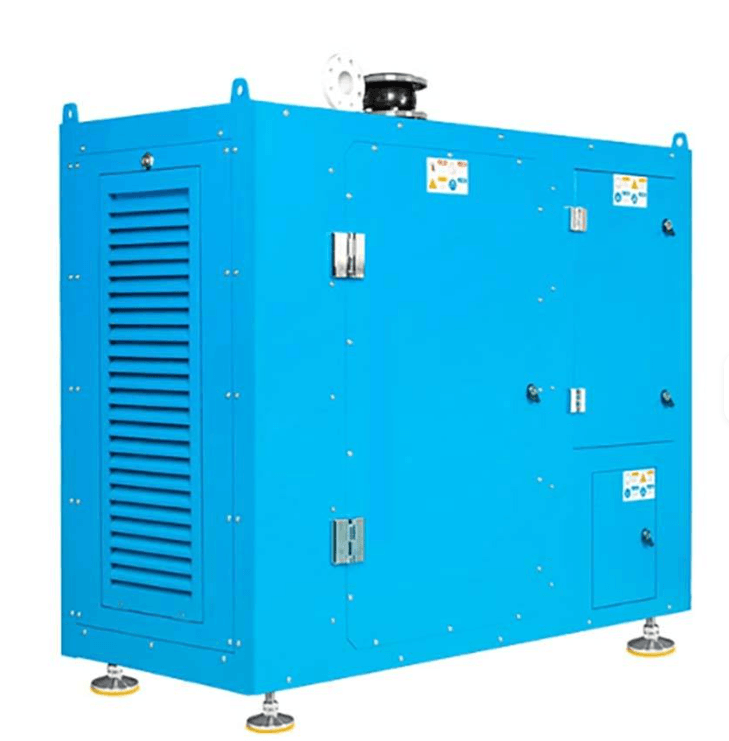
Maglev Turbo Blowers Product Information
Web: http://www.greentechblower.com (Group Web) ‖ http://www.zqblower.cn (Chinese) ‖ http://www.ringblower.cn/ (Ring blower) ‖ http://www.china-blower.com (Roots Blower) ‖ https://www.zibovacuumpump.com (Vacuum Pump)