
From Energy Drain to Efficiency Hub: A Practical Engineering Audit of Municipal Aeration Retrofits U
Post time: 2026-09-02 13:59:20
For municipal utility directors and industrial plant managers, the aeration blower room is often the single largest consumer of electrical power on-site, frequently accounting for over half of total plant energy expenditures. When legacy multi-stage centrifugal or positive displacement blowers approach the end of their operational life, facility leadership faces a critical crossroad: continue pouring capital into high-maintenance, low-efficiency equipment, or execute a comprehensive technology retrofit.
Executing a successful machinery upgrade requires more than swapping out hardware; it demands a rigorous engineering audit of baseline power consumption, spatial constraints, and long-term financial payback. To understand how modern facilities achieve rapid capital recovery, we can examine the structural anatomy of a successful aeration retrofit utilizing high-efficiency maglev turbo blowers.
The Baseline Dilemma: Identifying Energy Inefficiencies in Legacy Blower Installations
Before any equipment replacement begins, a thorough site assessment typically exposes severe systemic inefficiencies hiding within older aeration infrastructure.
Quantifying Parasitic Drag and Throttling Losses: Legacy installations often rely on constant-speed motors paired with discharge throttling valves or butterfly dampers to match air demand. This methodology wastes massive amounts of electrical energy by forcing the motor to push against artificial restrictions, generating excessive heat and turbulence.
The Hidden Costs of Constant Maintenance Cycles: Traditional oil-lubricated blowers demand continuous upkeep, including regular oil changes, filter disposals, belt replacements, and frequent bearing inspections. These recurring labor and material expenses accumulate into a heavy operational burden.
Degrading Performance Over Time: As internal mechanical components experience normal wear and tear, internal clearances widen, leading to aerodynamic leakage and a steady drop in overall volumetric efficiency long before a total mechanical breakdown occurs.
The Retrofit Execution: Seamless Integration of Maglev Turbo Blowers into Active Plants
Replacing bulky, vibration-heavy legacy units with compact, direct-drive maglev turbo blowers requires careful logistical and engineering coordination to avoid disrupting active wastewater treatment operations.
Space Optimization and Modular Footprint Reductions: Because maglev turbo blowers integrate the high-speed permanent magnet motor, active magnetic bearings, and digital inverter into a single, self-contained enclosure, they occupy a fraction of the floor space required by old multi-stage blowers. This allows plants to upgrade capacity without expanding building footprints.
Synchronizing Inverter Frequency with Plant Control Networks: Modern retrofit projects integrate open communication protocols, allowing the new blower's digital control system to interface directly with existing supervisory control and data acquisition (SCADA) networks and inline dissolved oxygen sensors.
Zero-Downtime Staged Installation: In many municipal facilities, engineers implement a phased replacement strategy—upgrading one blower line at a time while keeping secondary units operational—ensuring uninterrupted biological treatment throughout the transition.
Quantifying the Financial and Environmental Returns Over a Ten-Year Horizon
Evaluating capital equipment approval requires translating engineering performance metrics into concrete financial and environmental deliverables for corporate and municipal stakeholders.
Significant Kilowatt-Hour Reductions: By eliminating mechanical transmission losses, utilizing aerodynamic 3D-contoured impellers, and modulating motor speed dynamically via high-frequency VFDs, maglev turbo blowers regularly reduce electrical power consumption by 30 to 40 percent compared to legacy systems.
Rapid Capital Cost Payback: The substantial reduction in monthly utility bills translates into rapid financial recovery. For a medium-sized municipal wastewater plant operating continuous aeration basins, the energy savings alone frequently recover the initial equipment investment within two to three years.
Advancing Corporate ESG and Carbon Reduction Targets: Eliminating lubricating oil entirely guarantees Class 0 zero-oil compliance, protecting biological basins from hydrocarbon contamination while directly lowering Scope 2 carbon emissions through verified energy conservation.
Frequently Asked Questions on Aeration Plant Retrofits
1. How long does a typical blower room retrofit take from audit to commissioning?
While project timelines vary depending on plant size and electrical infrastructure upgrades, a standard retrofit involving the replacement of two to three legacy blowers with maglev turbo units typically takes between a few weeks to a couple of months from initial site audit to final grid commissioning.
2. Do plant electrical systems require major overhauls during a maglev retrofit?
Most existing industrial electrical rooms can accommodate modern maglev blowers, provided the transformer capacity and cable sizing are verified during the initial engineering audit to support modern high-frequency inverter drives.
3. How do plant operators manage the transition from manual control to automated maglev responsiveness?
Manufacturer engineering teams provide comprehensive operational training during commissioning, empowering plant staff to utilize intuitive digital touchscreen interfaces and automated demand-following modes effectively from day one.
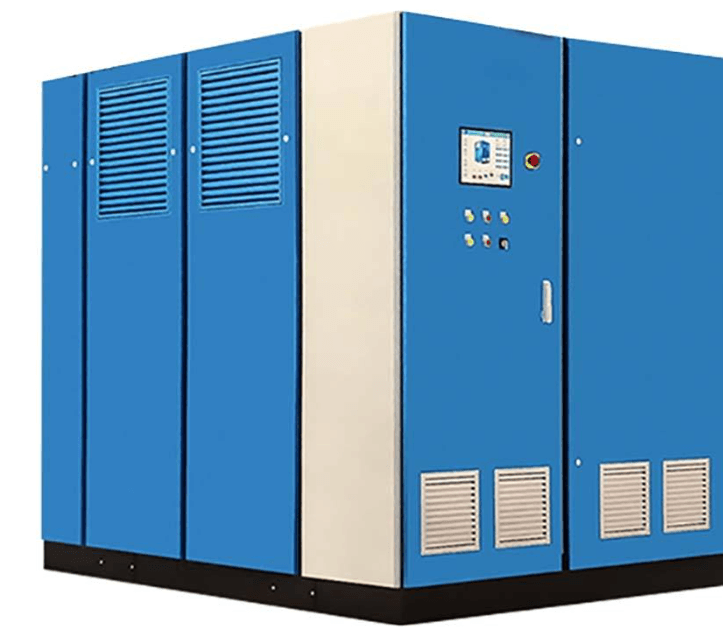
Maglev Turbo Blowers Product Information
Web: http://www.greentechblower.com (Group Web) ‖ http://www.zqblower.cn (Chinese) ‖ http://www.ringblower.cn/ (Ring blower) ‖ http://www.china-blower.com (Roots Blower) ‖ https://www.zibovacuumpump.com (Vacuum Pump)