
How Can NSRH Series Roots Blowers Improve Operating Efficiency?
Post time: 2026-10-08 11:09:25
NSRH series Roots blowers are a type of positive displacement blower widely used in wastewater treatment, pneumatic conveying, industrial aeration, metallurgy, chemical processing, and other industries. During actual operation, blower efficiency not only affects the air supply performance but also directly impacts energy consumption and operating costs. Therefore, proper selection, correct installation, and scientific maintenance of NSRH series Roots blowers are essential for improving overall operating efficiency.
1. Proper Selection Is the Foundation for Improving Efficiency
1. Determine Parameters According to Actual Operating Conditions
The operating efficiency of an NSRH series Roots blower is closely related to parameters such as air flow, pressure, and rotational speed. During selection, the required air flow and pressure should be determined according to actual production requirements. Oversized equipment may lead to energy waste, while undersized equipment may fail to meet the required air supply and operate under excessive load for extended periods.
2. Keep the Blower Within an Efficient Operating Range
Under the premise of meeting process requirements, the operating parameters of the NSRH series Roots blower should be properly controlled so that the blower operates within a stable and efficient range. For systems with significant variations in air demand, variable frequency control can be considered to adjust the air supply according to actual requirements and reduce unnecessary energy consumption.
2. Optimize Installation and Piping Systems
1. Reduce Pipeline Resistance
The piping system is an important factor affecting the operating efficiency of a Roots blower. Excessively long pipelines, too many bends, undersized pipes, and clogged filters can increase system resistance, forcing the blower to consume more power to achieve the required pressure.
Therefore, during pipeline design and modification, the conveying distance should be minimized, appropriate pipe diameters should be selected, unnecessary bends and valves should be reduced, and foreign matter in the pipeline should be cleaned regularly.
2. Ensure Proper Foundation and Installation
When installing an NSRH series Roots blower, the foundation should be stable, and the equipment should be properly aligned and leveled according to installation requirements. The coupling, motor, and blower should maintain proper concentricity to prevent additional vibration and mechanical losses caused by installation deviations.
3. Strengthen Daily Maintenance and Operation Management
1. Regularly Check Lubricating Oil and Bearings
Proper lubrication can reduce internal friction and mechanical losses. Operators should regularly check the oil level and oil condition according to equipment requirements and replace or replenish the lubricating oil when necessary. Bearing temperature and operating conditions should also be monitored, and any abnormality should be addressed promptly.
2. Clean the Air Filter Regularly
If the air filter becomes clogged with dust over time, the intake resistance will increase, reducing the blower's air intake efficiency and potentially increasing the operating load. Therefore, a reasonable cleaning and replacement schedule should be established according to the operating environment.
3. Monitor Changes in Operating Parameters
During daily operation, parameters such as air flow, pressure, current, temperature, and vibration should be recorded. If the current continues to increase, pressure becomes abnormal, or vibration increases, the blower, piping system, and related components should be inspected promptly to prevent minor problems from developing into major equipment failures.
4. Reduce Overall Energy Consumption Through Systematic Management
Improving the operating efficiency of an NSRH series Roots blower is not simply a matter of improving the performance of the blower itself. Optimization should cover equipment selection, installation, pipeline design, operating methods, and maintenance. By properly matching blower parameters, reducing system resistance, maintaining proper lubrication, and adjusting operation according to actual working conditions, unnecessary energy consumption can be reduced while improving operating stability.
For industrial equipment operating continuously, establishing a standardized inspection and maintenance system is equally important. By continuously recording operating data and analyzing changes in energy consumption, inefficient areas within the system can be identified and optimized, helping achieve energy savings and stable production.
In general, achieving efficient operation of an NSRH series Roots blower requires proper selection, scientific installation, precise adjustment, and regular maintenance. Only by fully matching equipment performance with actual operating conditions can the blower's efficiency be maximized while reducing long-term operating costs.
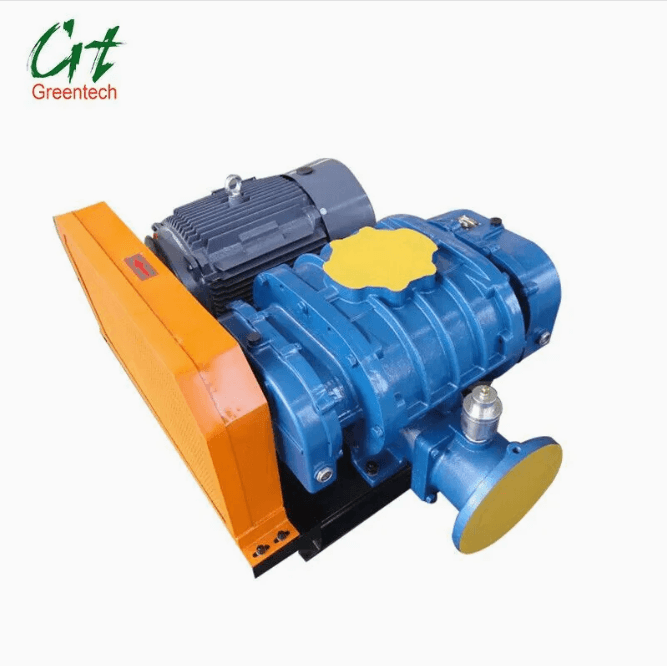
Roots Blower Product Information
Web: http://www.greentechblower.com (Group Web) ‖ http://www.zqblower.cn (Chinese) ‖ http://www.ringblower.cn/ (Ring blower) ‖ http://www.china-blower.com (Roots Blower) ‖ https://www.zibovacuumpump.com (Vacuum Pump)