
NSRH Roots Blower Maintenance and Troubleshooting Guide
Post time: 2026-07-13 09:20:15
The NSRH Roots blower is widely used in wastewater treatment, cement production, power plants, chemical processing, and pneumatic conveying because of its high efficiency, stable performance, and easy maintenance. However, reliable long-term operation depends on proper maintenance. Neglecting routine inspections can reduce efficiency and increase repair costs. Understanding maintenance procedures and common troubleshooting methods is essential for maximizing equipment life.
Daily Maintenance Tips
Routine maintenance minimizes component wear, improves reliability, and reduces maintenance expenses.
Inspect the Lubrication System Regularly
The gearbox and bearings are key transmission components of the NSRH Roots blower. Check the oil level and oil quality regularly. If the lubricating oil becomes contaminated, emulsified, or insufficient, replace or refill it promptly to ensure proper lubrication.
Keep the Air Intake System Clean
The air filter protects the blower from dust and debris. A clogged filter increases intake resistance and reduces airflow efficiency. Clean or replace the filter element regularly according to the operating environment.
Check Fasteners and Belts
After long periods of operation, bolts, couplings, and drive belts may become loose or worn. During routine inspections, verify that all fasteners are secure and that the belt tension is appropriate. Replace worn components when necessary.
Common Problems and Troubleshooting
When abnormal operating conditions occur, identifying the cause quickly helps minimize downtime.
Insufficient Airflow
Low airflow is often caused by a clogged air filter, pipeline leakage, slipping belts, or reduced motor speed.
Clean or replace the air filter, inspect the piping system for leaks, and check the belt tension and motor speed. Make adjustments as needed.
Excessive Vibration or Noise
Abnormal vibration or unusual noise may result from loose foundation bolts, worn bearings, rotor contact, or coupling misalignment.
Stop the blower immediately for inspection. Tighten loose components, realign the coupling, and inspect the bearings and rotor clearance before restarting.
High Operating Temperature
Excessive temperature is usually caused by insufficient lubrication, excessive discharge pressure, poor ventilation, or bearing damage.
Inspect the lubrication system, ensure the discharge pipeline is not blocked, improve cooling conditions, and replace worn bearings if necessary.
Tips to Extend Service Life
Establish a Preventive Maintenance Schedule
Create daily, weekly, and monthly inspection records, including oil condition, vibration, temperature, and motor current. Monitoring these parameters helps detect potential problems early.
Avoid Continuous Overload
Although the NSRH Roots blower is designed for continuous operation, prolonged overload accelerates wear on bearings, gears, and rotors. Operating within the rated parameters improves efficiency and extends equipment life.
Conclusion
Stable performance depends on regular maintenance and timely inspections. Proper lubrication, clean intake systems, and prompt troubleshooting of common issues such as insufficient airflow, excessive vibration, and overheating can reduce maintenance costs, improve operating efficiency, and ensure reliable long-term performance.
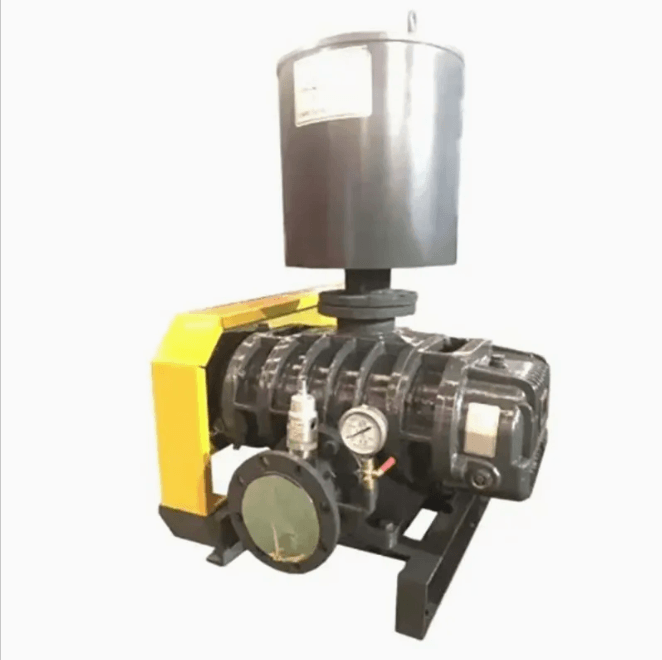
Roots Blower Product Information
Web: http://www.greentechblower.com (Group Web) ‖ http://www.zqblower.cn (Chinese) ‖ http://www.ringblower.cn/ (Ring blower) ‖ http://www.china-blower.com (Roots Blower)