
What Should Be Considered When Upgrading Air Suspension Centrifugal Blowers for Energy Efficiency?
Post time: 2026-10-14 13:39:54
As industrial energy conservation requirements continue to increase, air suspension centrifugal blowers have become an important option for upgrading traditional blower systems. With advantages such as oil-free lubrication, high operating efficiency, low noise, and relatively low maintenance costs, they offer considerable potential for energy savings. However, an energy-efficiency upgrade involves more than simply replacing equipment. Site operating conditions, equipment selection, piping systems, electrical controls, and subsequent maintenance must all be considered to achieve both stable operation and energy savings.
1. Evaluate Site Operating Conditions Before the Upgrade
1.1 Determine Actual Airflow and Pressure Requirements
Before upgrading, thoroughly assess the operating parameters of the existing blower, including actual airflow, discharge pressure, operating hours, and load variations. Based on production requirements, determine whether the equipment operates at low loads for extended periods, supplies excessive airflow, or uses unnecessarily high pressure settings.
Selecting a new blower solely according to the rated parameters of the original equipment may result in excessive capacity or insufficient air supply, compromising energy efficiency and production stability.
1.2 Identify Existing System Problems
In addition to the blower itself, inspect piping resistance, filtration equipment, valve openings, and downstream air-consuming equipment. High energy consumption is not always caused by insufficient blower efficiency; poorly designed piping or inappropriate control strategies may also be responsible.
On-site measurements and operating data analysis should therefore be used to identify the main sources of energy consumption and establish a reliable basis for the upgrade.
2. Select the Right Air Suspension Centrifugal Blower
2.1 Match Equipment Performance to Operating Conditions
Air suspension centrifugal blowers use air-bearing technology to reduce friction losses associated with mechanical contact. However, different models vary in airflow, pressure, efficiency, and adjustment range.
During selection, priority should be given to operating efficiency under actual working conditions rather than rated power or peak efficiency alone. Environmental factors such as temperature, altitude, humidity, and dust levels must also be considered to ensure suitability for the installation site.
2.2 Evaluate Investment and Operating Costs
An energy-efficiency upgrade should be evaluated not only by equipment purchase price but also by installation costs, auxiliary equipment investment, routine maintenance expenses, and expected electricity savings. For industrial applications with continuous operation, electricity costs often represent a significant portion of the equipment's total life-cycle cost.
A comprehensive payback-period analysis helps businesses select an upgrade solution that meets their operational and financial requirements.
3. Optimize the Piping System and Control Strategy
3.1 Reduce Piping Resistance
During the upgrade, inspect the piping system for excessive bends, inappropriate pipe diameters, clogged filters, and significant throttling losses caused by valves. Where necessary, optimize sections of the piping system to reduce resistance.
Only when the blower and piping system are optimized together can the energy-saving advantages of high-efficiency equipment be fully realized.
3.2 Improve Intelligent Control and Coordinated Operation
For applications with fluctuating demand, variable-frequency control, pressure monitoring, and automatic control systems can be integrated to adjust blower output according to actual requirements. When multiple blowers operate in parallel, start-stop sequences and load distribution should be configured appropriately to prevent prolonged operation at inefficient loads.
Control adjustments must balance pressure stability, the equipment's operating range, and process safety while avoiding frequent starts and stops or excessive parameter fluctuations.
4. Ensure Proper Commissioning and Ongoing Maintenance
4.1 Follow Installation and Commissioning Requirements
Air suspension centrifugal blowers have specific requirements for installation conditions, power quality, cooling, and intake air quality. Before installation, verify the foundation, piping connections, and electrical infrastructure to prevent improper installation from affecting equipment performance.
After commissioning, gradually test airflow, pressure, current, vibration, and temperature under different loads. Confirm that the control logic and protection functions operate correctly.
4.2 Establish Long-Term Energy Monitoring
After the upgrade, record operating power, air supply, pressure, and operating hours. Compare these results with pre-upgrade data collected under equivalent operating conditions. Energy savings should be calculated using comparable conditions to avoid misleading results caused by changes in production output, ambient conditions, or system load.
Meanwhile, clean filters, inspect the intake system, and maintain electrical components according to the manufacturer's recommendations. Abnormal alarms should be addressed promptly to ensure long-term, stable operation.
5. Conclusion
Upgrading air suspension centrifugal blowers for energy efficiency is a systematic project involving equipment, piping, control systems, and maintenance. Businesses should begin with actual operating requirements and focus on preliminary assessments, proper equipment selection, system optimization, and performance verification. By avoiding a narrow focus on equipment replacement and improving overall operating efficiency, companies can maximize energy-saving potential and reduce long-term operating costs.
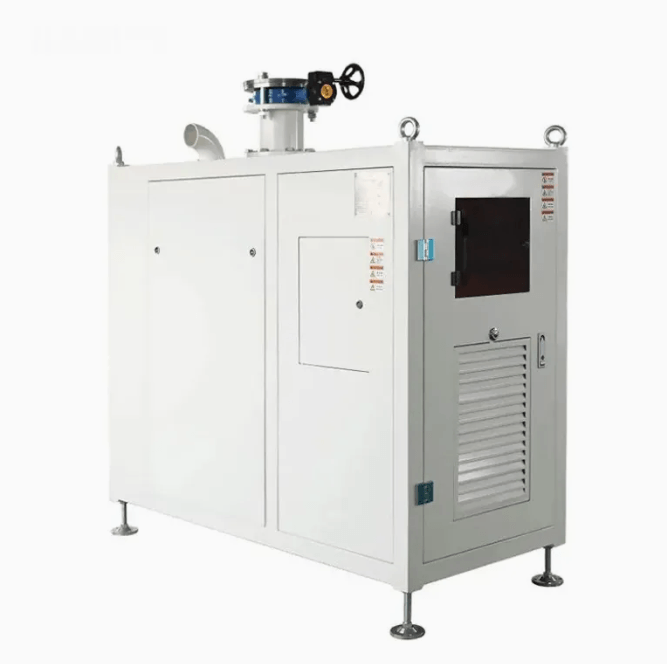
Air Suspension Blowers Product Information
Web: http://www.greentechblower.com (Group Web) ‖ http://www.zqblower.cn (Chinese) ‖ http://www.ringblower.cn/ (Ring blower) ‖ http://www.china-blower.com (Roots Blower) ‖ https://www.zibovacuumpump.com (Vacuum Pump)