
Decarbonizing Industrial Operations: The Strategic Role of Maglev Turbo Blowers in Corporate ESG Com
Post time: 2026-10-14 10:22:03
As global regulatory bodies, institutional investors, and municipal governments tighten environmental performance thresholds, industrial decarbonization has evolved from a voluntary corporate social responsibility objective into a strict operational mandate. For heavy industrial manufacturers, chemical processors, and municipal wastewater treatment utility directors, achieving net-zero carbon goals requires a rigorous examination of major energy-consuming assets. Among all continuous-duty plant machinery, aeration blowers and pneumatic transport systems account for a substantial share of indirect greenhouse gas emissions.
When engineering directors and sustainability officers set out to construct auditable carbon reduction roadmaps, legacy multi-stage centrifugal and positive displacement blowers immediately emerge as primary targets for modernization. By examining how advanced energy-efficient machinery transforms corporate sustainability ledgers, plant leaders can see why upgrading to high-performance maglev turbo blowers is an indispensable strategy for long-term environmental and financial resilience.
Driving Industrial Decarbonization: How Maglev Turbo Blowers Meet Strict ESG Mandates
Achieving compliance with escalating international environmental frameworks requires technologies that deliver massive, verifiable energy reductions without compromising process reliability or operational throughput.
Direct Carbon Footprint Reduction: Quantifying how slashing electrical power consumption by up to 40% directly translates to lower carbon dioxide emission metrics for municipal and industrial facilities. By eliminating internal mechanical friction and coupling high-frequency permanent magnet motors with optimized 3D-contoured impellers, maglev systems draw significantly fewer kilowatt-hours from the regional electrical grid.
Aligning with Global Environmental Standards: Demonstrating how oil-free, high-efficiency turbo technology helps industrial plants comply with escalating international carbon taxation and environmental sustainability frameworks. Active magnetic levitation eliminates lubricating oils entirely, guaranteeing Class 0 oil-free compliance while shielding plant operations from costly carbon penalties.
Green Supply Chain Enhancement: Showcasing energy-optimized aeration processes as a core pillar for companies striving to achieve certified green factory status. Institutional supply chain auditors increasingly demand transparent, auditable energy conservation metrics, making continuous-duty blower efficiency a cornerstone of corporate ESG disclosures.
Quantifying Scope 2 Emissions in Industrial Aeration Systems
In corporate carbon accounting frameworks, Scope 2 emissions encompass the indirect greenhouse gas emissions associated with the generation of purchased electricity consumed by a facility. Because wastewater aeration basins and pneumatic conveying lines operate twenty-four hours a day, year-round, their cumulative electrical draw generates a substantial carbon footprint.
Eliminating Parasitic Energy Losses: Traditional positive displacement Roots blowers suffer from internal mechanical friction, oil drag, and airflow throttling losses. Running high-wattage motors against constant internal resistance forces facilities to pull excessive electricity from fossil-fuel-dependent grids.
Transparent ESG Data Verification: Modern maglev turbo blowers integrate advanced digital controllers that stream real-time telemetry, including motor frequency, power draw, and air mass flow. Plant sustainability officers can easily export these verified operational metrics to support official ESG audits and carbon offset certifications.
Frequently Asked Questions on ESG Compliance and Blower Decarbonization
1. How do maglev turbo blower upgrades directly impact corporate Scope 2 emission inventories?
Because Scope 2 emissions are calculated directly from total grid electricity consumption, verifiable kilowatt-hour reductions achieved by switching to high-efficiency maglev turbo blowers result in an immediate, proportional drop in the facility's reported indirect carbon footprint.
2. Can energy savings from maglev blower retrofits be used for carbon credit verification?
Yes. Because the energy reductions delivered by direct-drive maglev technology are continuous, measurable, and easily verified through digital power meters and telemetry logs, facility managers can seamlessly integrate these operational improvements into official carbon reduction audits and credit verification filings.
3. Do oil-free maglev systems contribute to other environmental compliance categories besides carbon reduction?
Yes. By eliminating lubricating oils entirely, maglev turbo blowers remove the risk of hydrocarbon migration into process air streams and secondary wastewater effluent, ensuring absolute compliance with strict zero-pollution environmental regulations.
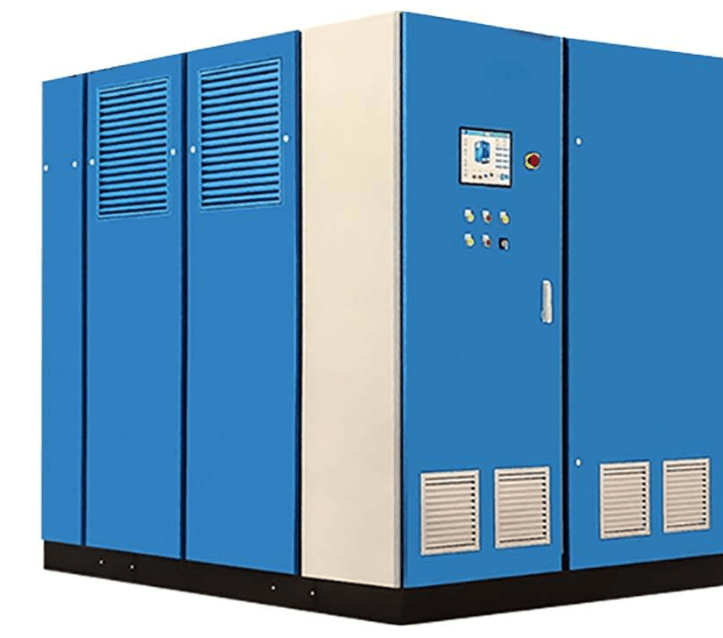
Maglev Turbo Blowers Product Information
Web: http://www.greentechblower.com (Group Web) ‖ http://www.zqblower.cn (Chinese) ‖ http://www.ringblower.cn/ (Ring blower) ‖ http://www.china-blower.com (Roots Blower) ‖ https://www.zibovacuumpump.com (Vacuum Pump)