
Daily Maintenance Methods for M-Series Roots Blowers
Post time: 2026-09-20 15:11:09
M-Series Roots blowers are common positive displacement gas conveying equipment, widely used in wastewater treatment, pneumatic conveying, aquaculture, industrial aeration, and other applications requiring a stable air supply. During long-term operation, regular maintenance can help identify potential problems in time, reduce equipment failures, and maintain stable airflow and pressure. Therefore, establishing a standardized maintenance program is essential.
1. Daily Inspection of M-Series Roots Blowers
1.1 Check Operating Noise and Vibration
During normal operation, the blower should run smoothly without abnormal noise. If impact sounds, friction noises, or unusual vibrations occur, the equipment should be stopped and inspected promptly. Particular attention should be paid to the bearings, gears, coupling, and foundation fasteners to prevent minor problems from developing into major failures.
Regular vibration measurements can also be recorded and compared with historical operating data. If vibration levels continue to increase, the cause should be analyzed together with operating temperature and lubricant condition.
1.2 Check Lubricating Oil Level and Condition
The gearbox and bearing components of M-Series Roots blowers require proper lubrication. During daily inspections, check whether the oil level is within the specified range and whether the lubricant shows abnormal discoloration, emulsification, or excessive impurities.
If the oil level is too low, replenish it with the appropriate lubricant according to the equipment requirements. When the specified replacement interval is reached, the oil should be replaced promptly to prevent reduced lubrication performance from causing gear and bearing wear.
2. Regular Maintenance Items
2.1 Clean the Air Filter
The air filter is an important component for ensuring clean intake air. After long-term operation, the filter element may accumulate dust and impurities, increasing intake resistance and reducing blower efficiency.
The filter element should be inspected and cleaned regularly according to the operating environment. In dusty environments, the inspection interval should be shortened when necessary, and the filter element should be replaced in time to keep the air passage unobstructed.
2.2 Check Belts and Couplings
For belt-driven equipment, regularly check belt tension, wear, and cracks. A belt that is too loose may slip, while excessive tension can increase the load on the bearings.
For units using couplings, check the coupling connection and alignment to ensure smooth operation of the transmission system.
2.3 Check Piping and Valves
Regularly inspect the inlet and outlet piping and valves for air leakage, blockage, or abnormal resistance. Blocked piping or excessive system pressure can increase the blower load and may affect the normal operation of the motor and blower over time.
3. Maintenance Precautions During Operation
3.1 Avoid Overpressure and Overload Operation
Roots blowers generally have specified operating ranges for pressure and temperature. During operation, the equipment should be used strictly within the technical parameters. Long-term operation under excessive pressure should be avoided. If system pressure suddenly increases, inspect the piping, valves, and air-consuming equipment promptly.
3.2 Monitor Temperature Changes
During operation, pay attention to the temperature of the bearings, lubricating oil, and blower housing. If the temperature is significantly higher than normal, check the lubrication condition, load, and heat dissipation conditions. For continuously operating equipment, temperature records can be maintained to identify abnormal trends.
4. Establishing a Standardized Maintenance Program
4.1 Maintain Operating Records
It is recommended to establish an equipment operating log and record operating time, pressure, temperature, vibration, lubricant condition, and abnormal events. Long-term data comparison can help determine equipment operating trends more accurately.
4.2 Perform Periodic Professional Inspections
In addition to daily inspections, a regular maintenance schedule should be established according to operating conditions. Bearings, gears, seals, and transmission components should be inspected periodically. Parts that have reached the end of their service life or show significant wear should be replaced promptly.
5. Conclusion
The maintenance of M-Series Roots blowers should follow the principle of combining daily inspections with periodic servicing. Proper lubrication management, air filter cleaning, transmission component inspection, and operating parameter monitoring can help identify potential problems early and reduce equipment failure rates. Standardized maintenance can also extend the service life of the blower and provide users with a more stable and reliable air supply.
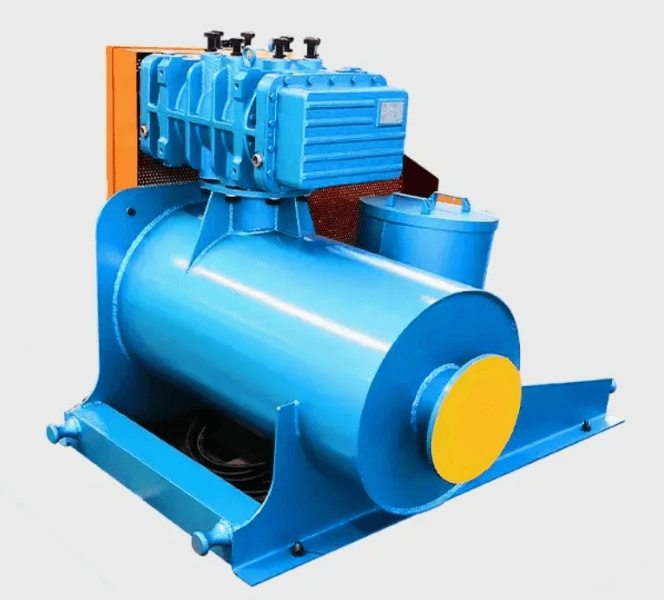
Roots Blower Product Information
Web: http://www.greentechblower.com (Group Web) ‖ http://www.zqblower.cn (Chinese) ‖ http://www.ringblower.cn/ (Ring blower) ‖ http://www.china-blower.com (Roots Blower) ‖ https://www.zibovacuumpump.com (Vacuum Pump)