
M Type Roots Blower Mechanical Maintenance Methods and Common Fault Handling
Post time: 2026-09-03 13:40:44
The M type Roots blower is a widely used positive displacement blower featuring a simple structure, stable operation, and consistent gas delivery. It is commonly used in wastewater treatment, pneumatic conveying, industrial aeration, and other applications. During long-term operation, mechanical components such as gears, bearings, seals, and impellers may experience wear. Timely mechanical maintenance can effectively reduce equipment failure rates and extend the service life of the Roots blower.
Common Mechanical Faults of M Type Roots Blowers
Excessive Bearing Wear
Bearings are important mechanical components of a Roots blower. After long periods of high-speed operation, they may experience wear. Insufficient lubrication, deteriorated lubricating oil, or improper installation accuracy can cause the bearing temperature to rise and produce abnormal noise. During maintenance, the bearing operating condition, clearance, and lubrication should be checked. If necessary, the bearing should be replaced promptly.
Abnormal Gear Operation
The M type Roots blower relies on synchronous gears to maintain the proper clearance between the two impellers. Gear wear, tooth surface damage, or changes in installation position may cause abnormal impeller clearance and, in severe cases, lead to contact between the impellers. During mechanical maintenance, the gear meshing condition, tooth surface wear, and positioning accuracy should be carefully inspected.
Friction Between the Impeller and Casing
A proper clearance must be maintained between the impeller and casing. Bearing wear, gear positioning errors, or shaft deformation can change the impeller's operating path and cause friction. When this problem occurs, the impeller, bearings, and gears should be inspected. Simply adjusting the clearance may not solve the underlying problem.
Key Points for M Type Roots Blower Mechanical Maintenance
Inspection Before Disassembly
Before maintenance, disconnect the power supply and close the relevant pipeline valves. Before disassembly, record the original assembly positions, gear alignment, and impeller clearance parameters. This helps restore the equipment accurately during reassembly. Components should also be marked to prevent incorrect positioning during installation.
Inspection of Critical Mechanical Components
During maintenance, special attention should be paid to bearings, gears, impellers, shafts, sleeves, and sealing components. Components with minor wear can be adjusted or repaired according to actual conditions, while severely worn components should be replaced promptly to prevent minor faults from developing into major equipment damage.
Pay Attention to Reassembly and Commissioning
After maintenance is completed, the blower should be reassembled according to the required procedures. The impeller clearance, gear meshing, and shaft alignment should then be checked. Manually rotate the shaft to ensure smooth movement without jamming or abnormal friction before conducting a low-load test run. During operation, monitor bearing temperature, vibration, noise, and lubrication conditions. Normal operation should be confirmed before returning the blower to full service.
Establish a Regular Maintenance Program
Mechanical maintenance of an M type Roots blower should not only be carried out after a failure occurs. During daily operation, the lubricating oil, bearing temperature, equipment vibration, and operating noise should be checked regularly. A periodic maintenance plan should also be established according to the operating conditions. Preventive maintenance can identify early mechanical wear, reduce unexpected downtime, and improve equipment operating efficiency.
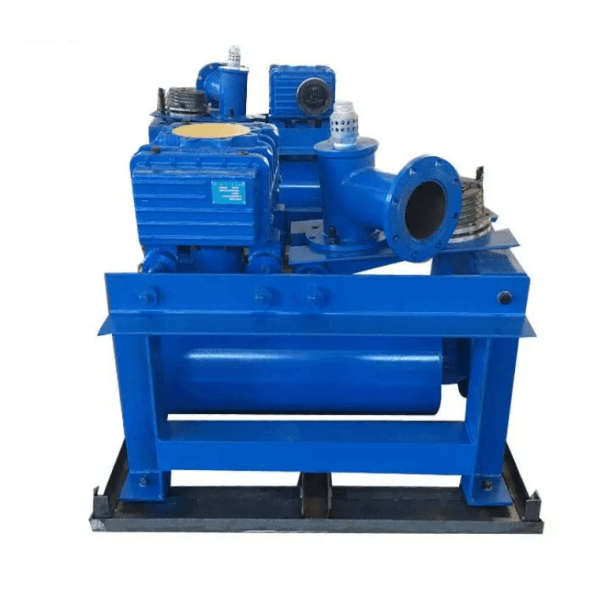
Roots Blower Product Information
Web: http://www.greentechblower.com (Group Web) ‖ http://www.zqblower.cn (Chinese) ‖ http://www.ringblower.cn/ (Ring blower) ‖ http://www.china-blower.com (Roots Blower) ‖ https://www.zibovacuumpump.com (Vacuum Pump)