
How to Determine Whether the Operating Parameters of NSRH Series Roots Blowers Are Normal
Post time: 2026-10-16 14:27:51
1. Key Operating Parameters of NSRH Series Roots Blowers
NSRH series Roots blowers are widely used in wastewater treatment, pneumatic conveying, aquaculture, and industrial air supply. Their operating condition directly affects air supply stability, energy consumption, and service life. Regularly checking key operating parameters is therefore essential for safe and reliable operation.
1.1 Is the Pressure Within the Normal Range?
Pressure is an important indicator of Roots blower performance. During operation, the discharge pressure should be checked against the design requirements and actual operating conditions. Persistently high pressure may indicate blocked pipelines, valves that are not fully open, or excessive system resistance. Significantly low pressure may be caused by pipeline leakage, loose connections, or insufficient air supply capacity.
It is important to note that Roots blowers are positive-displacement machines, and their operating pressure is primarily determined by the resistance of the connected piping system. Pressure should be evaluated against the equipment nameplate, operating manual, and project design specifications rather than a single general value.
1.2 Is the Temperature Within the Normal Range?
Temperature is another important indicator of equipment condition. Key measurements include bearing temperature, lubricating oil temperature, and inlet and outlet air temperatures. If the temperature of any component continues to rise or becomes significantly higher than its historical operating level, possible causes include poor lubrication, bearing wear, excessive ambient temperature, or abnormal discharge pressure.
Operators should record temperature readings regularly and monitor trends. If a temperature exceeds the manufacturer's specified limit or rises rapidly within a short period, the equipment should be inspected promptly and shut down if necessary to prevent further damage.
2. Evaluating Operating Conditions Through Current, Vibration, and Noise
2.1 Is the Motor Current Stable?
Motor current reflects changes in equipment load. Under relatively stable operating conditions, the current should generally remain within an expected range without significant abnormal fluctuations. Persistently high current may result from excessive system pressure, abnormal supply voltage, increased motor load, or internal mechanical friction.
If the current suddenly increases, check the pressure, valve positions, and power supply. Compare the readings with the motor's rated current and the manufacturer's specifications. Protective devices should never be adjusted arbitrarily just to keep the equipment running.
2.2 Is the Vibration Normal?
Roots blowers generate some vibration during operation, but the vibration level should remain within the equipment's permitted limits. A noticeable increase in vibration may be associated with loose foundation bolts, poor coupling alignment, damaged bearings, or internal rotor abnormalities.
Operators should periodically use a vibration meter to record readings and compare them with historical data and manufacturer standards. If vibration increases suddenly or is accompanied by unusual impact sounds, shut down the equipment for inspection to prevent further mechanical damage.
2.3 Is the Operating Noise Normal?
Roots blowers normally produce a certain amount of mechanical and airflow noise. However, sharp friction sounds, periodic knocking, or noise significantly louder than usual may indicate problems with bearings, gears, rotors, or transmission components.
When abnormal noise occurs, evaluate it together with temperature, vibration, and current readings. Avoid identifying the cause of a fault based on sound alone.
3. How to Handle Abnormal Operating Conditions in NSRH Series Roots Blowers
3.1 Establish a Routine Inspection and Parameter Recording System
Operators should regularly record discharge pressure, motor current, bearing temperature, lubricating oil condition, vibration, and noise. Equipment operating hours and load changes should also be documented. Comparing these records with historical data helps identify abnormal trends at an early stage.
3.2 Troubleshoot According to Actual Operating Conditions
When an abnormal parameter is detected, first verify the accuracy of the instrument. Then inspect the pipelines, valves, filters, lubrication system, and electrical components. Different symptoms can have multiple possible causes, so faults should be investigated systematically according to site conditions. Avoid unnecessary disassembly or indiscriminate component replacement.
3.3 Follow the Manufacturer's Maintenance Requirements
Permissible pressure, temperature, and other operating limits may vary among NSRH models and configurations. Maintenance should follow the manual and technical requirements for the specific model. Regularly inspect the lubricating oil, filters, transmission components, and fasteners.
If the equipment experiences overheating, abnormal vibration, or unusual noise, shut it down for inspection in accordance with applicable safety procedures.
4. Conclusion
Determining whether NSRH series Roots blower operating parameters are normal requires a comprehensive assessment of pressure, temperature, current, vibration, and noise, taking into account the specific model, design conditions, and historical operating data. Standardized inspections, timely corrective action, and preventive maintenance can reduce equipment failure risks, improve operational stability, and extend service life.
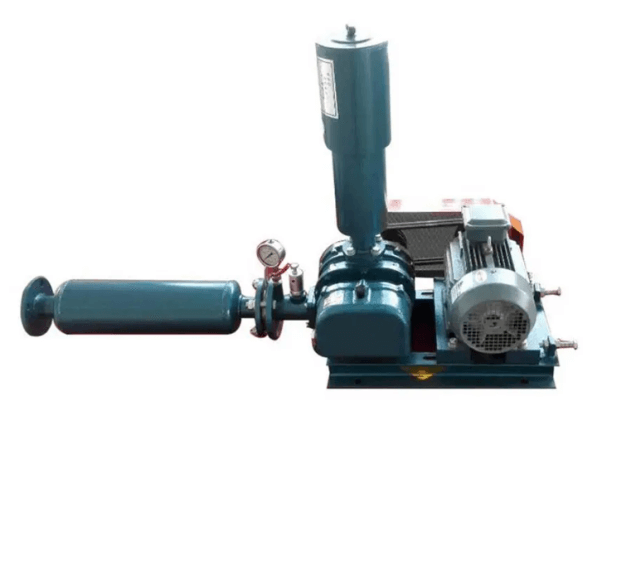
Roots Blower Product Information
Web: http://www.greentechblower.com (Group Web) ‖ http://www.zqblower.cn (Chinese) ‖ http://www.ringblower.cn/ (Ring blower) ‖ http://www.china-blower.com (Roots Blower) ‖ https://www.zibovacuumpump.com (Vacuum Pump)